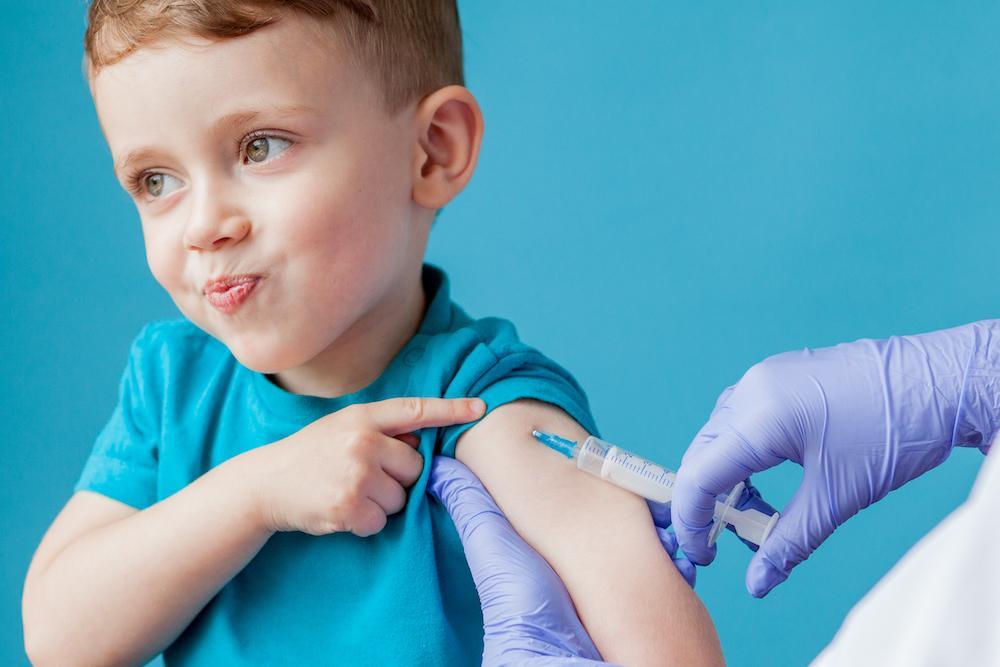
Yes, children need several vaccines before school. Most states require vaccines for diseases like measles, mumps, rubella, polio, chickenpox, and whooping cough before kids can attend public or private schools.
These vaccines protect your child and other students from serious illnesses. Schools check vaccination records during enrollment to make sure all children meet state requirements.
Each state has its own list of required vaccines, but most follow similar guidelines from the CDC. Getting these shots on time helps keep everyone in the classroom safe and healthy.
Core Vaccines Required for School Entry
MMR Vaccine
The MMR vaccine protects against measles, mumps, and rubella. Children typically need two doses before starting school. The first dose comes at 12-15 months old. The second dose happens between ages 4-6 years.
According to the CDC, measles outbreaks still occur in unvaccinated communities. This vaccine is non-negotiable in all 50 states for school entry. Some states allow medical exemptions only.
The vaccine is 97% effective after two doses. Side effects are usually mild, like a sore arm or low fever for a day or two.
DTaP Vaccine Series
The DTaP vaccine fights diphtheria, tetanus, and pertussis (whooping cough). Children need five doses total before kindergarten. The schedule starts at 2 months old and continues through age 4-6 years.
Whooping cough is especially dangerous for babies and young children. The CDC reports that vaccination has reduced whooping cough cases by more than 80% since the 1940s.
Most schools require proof of all five DTaP shots before enrollment. A booster shot (Tdap) is needed again around age 11-12.
Polio Vaccine
The polio vaccine (IPV) requires four doses before school entry. Children receive shots at 2 months, 4 months, 6-18 months, and 4-6 years old.
Polio was once a feared disease that paralyzed thousands of children each year. Thanks to vaccines, the United States has been polio-free since 1979, according to the CDC.
The vaccine is given as a shot in the arm or leg. It’s extremely safe and effective at preventing this serious disease.
Additional Required Vaccines
Varicella (Chickenpox) Vaccine
Children need two doses of the chickenpox vaccine before starting school. The first dose is at 12-15 months. The second comes at 4-6 years old.
Before the vaccine existed, chickenpox infected about 4 million people yearly in the U.S. Now cases have dropped by more than 90%, according to the CDC.
If your child already had chickenpox, they might not need the vaccine. You’ll need proof from a doctor showing they had the disease naturally.
Hepatitis B Vaccine
The hepatitis B vaccine series includes three shots. Most children get their first dose at birth. The series finishes by 6-18 months old.
This vaccine protects the liver from a serious infection that can cause lifelong problems. All states require it for school entry.
Hepatitis B spreads through blood and body fluids. The vaccine is 95% effective at preventing infection.
Hepatitis A Vaccine
Most states now require two doses of hepatitis A vaccine. Children usually get these shots between ages 12-23 months.
This vaccine protects against a liver infection spread through contaminated food or water. The CDC added it to the required list in recent years as outbreaks increased.
The two doses are given at least 6 months apart. Side effects are rare and mild.
State-Specific Requirements and Exemptions
Checking Your State’s Rules
Each state sets its own vaccination requirements for school. Some states require more vaccines than others. California, New York, and Mississippi have the strictest rules.
You can check your state’s specific requirements on your health department’s website. Schools also provide lists during enrollment. Requirements may differ for public versus private schools.
Some states require additional vaccines like meningitis for older children. Always verify current rules, as they can change.
Medical Exemptions
All states allow medical exemptions for children who can’t safely receive vaccines. A doctor must provide written proof that vaccines would harm the child’s health.
Valid medical reasons include severe allergic reactions to vaccine ingredients or weakened immune systems. These exemptions are rare and require detailed medical documentation.
Schools review medical exemptions carefully. They must come from a licensed physician and include specific medical reasons.
Religious and Philosophical Exemptions
Some states allow religious or philosophical exemptions to vaccine requirements. However, these options are decreasing nationwide.
Currently, 44 states permit religious exemptions. Only 15 states still allow philosophical exemptions, according to recent data from health authorities.
States like California, Maine, and New York eliminated non-medical exemptions after disease outbreaks. During outbreaks, unvaccinated children may be excluded from school temporarily.
Final Thoughts
Getting your child vaccinated before school protects them and their classmates from serious diseases. Start early and follow the CDC’s recommended schedule to avoid last-minute rushes before enrollment.
Contact your pediatrician to review your child’s vaccination records. They’ll make sure all shots are current and provide the documentation your school needs.
If you need help managing your child’s vaccination schedule or have questions about requirements, Crystal Lake Pharmacy offers immunization services and expert guidance to keep your family healthy and ready for school.